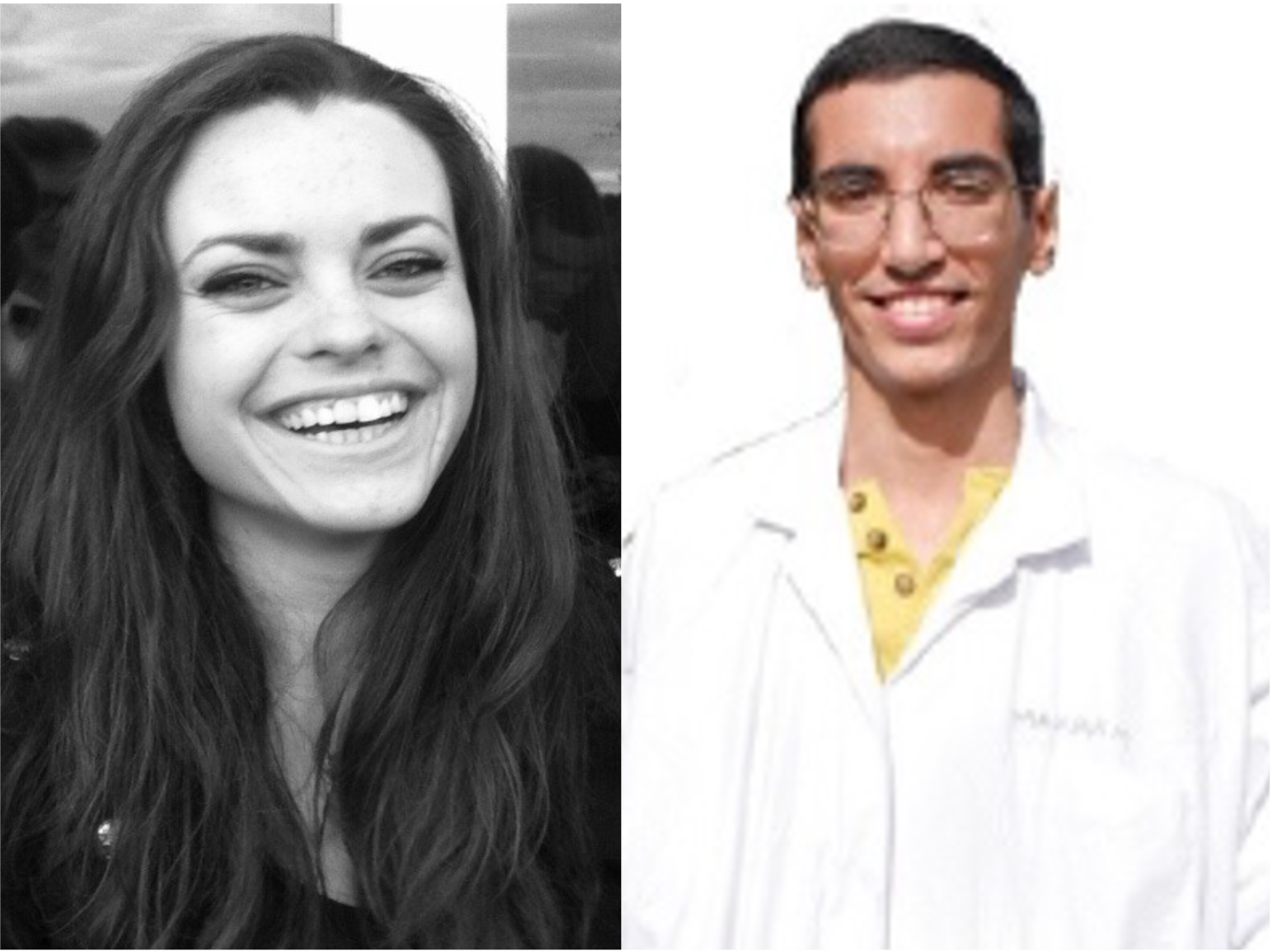
Léa Prochasson and Makram Mghezzi-Habellah
“Article of the Month” award December 2025. « Retroviral adapters hijack the RNA helicase UPF1 in a CRM1/XPO1-dependent manner and reveal proviral roles of UPF1. Nucleic Acids Research (2025).
Profile
Léa Prochasson
Léa PROCHASSON is a young researcher whose scientific curiosity and strong interest in interdisciplinary topics have shaped a multidisciplinary career combining biochemistry, virology, and oncology. Passionate about molecular and cellular dynamics, she first completed a Doctor of Pharmacy (PharmD) degree at the University of Tours, following work on histone-modifying complexes, and subsequently obtained a PhD in Integrative and Cellular Molecular Biology at ENS de Lyon, under the supervision of Vincent Mocquet in the PRIO team (Post-transcriptional Regulation in Infection and Oncogenesis). During these three years, she focused on the post-transcriptional regulation of cellular and viral RNAs by characterizing the impact of dysregulation of the Nonsense-Mediated Decay (NMD) pathway on host–pathogen interactions, in the context of infections by the retroviruses HTLV-1 and HIV-1. She then joined the “Non-coding RNAs, Epigenetics and Genome Plasticity” team led by Antonin Morillon at the Institut Curie, where she is currently pursuing her work on RNA through a translational research project. Her research focuses on the immunogenic potential of non-coding RNAs, particularly through their characterization as potential sources of peptide candidates for therapeutic anti-cancer vaccines. Driven by a constant desire to learn and to share knowledge, she is also actively involved in student supervision and teaching.
Profile
Makram Mghezzi-Habellah
Makram, 27 years old, completed his Bachelor’s degree and the first year of his Master’s at the University Claude Bernard of Lyon I. His studies focused on genetics and cellular biology. During this period, he developed an increasing interest in RNA biology and viral RNA, leading him to pursue a specialized diploma in these fields at Paris University, where he also completed his internship. During his PhD, he focused on studying the consequences of viral infections on host cell homeostasis. He investigated two RNA viruses, SARS-CoV-2 and HTLV-1. Makram’s research demonstrated that HTLV-1 Rex interferes with CRM1 dependent export of UPF1, a key player in non-sense mediated decay (NMD). For SARS-CoV-2, he reported that the virus also inhibits NMD. And unexpectedly, UPF1 seems also to have proviral function because it stimulates viral replication.
The latest laureates
Léa Prochasson and Makram Mghezzi-Habellah
Curie Institute and Sorbonne University, Paris
Nour Ayoub
Institut Pasteur Paris, UPCité and INSERM UMRS-1124, Paris
Markel Martinez-Carranza
Pasteur Institute, Paris

Maëliss Germain
Rennes University, BRM Lab. (Bacterial RNAs in Medicine)
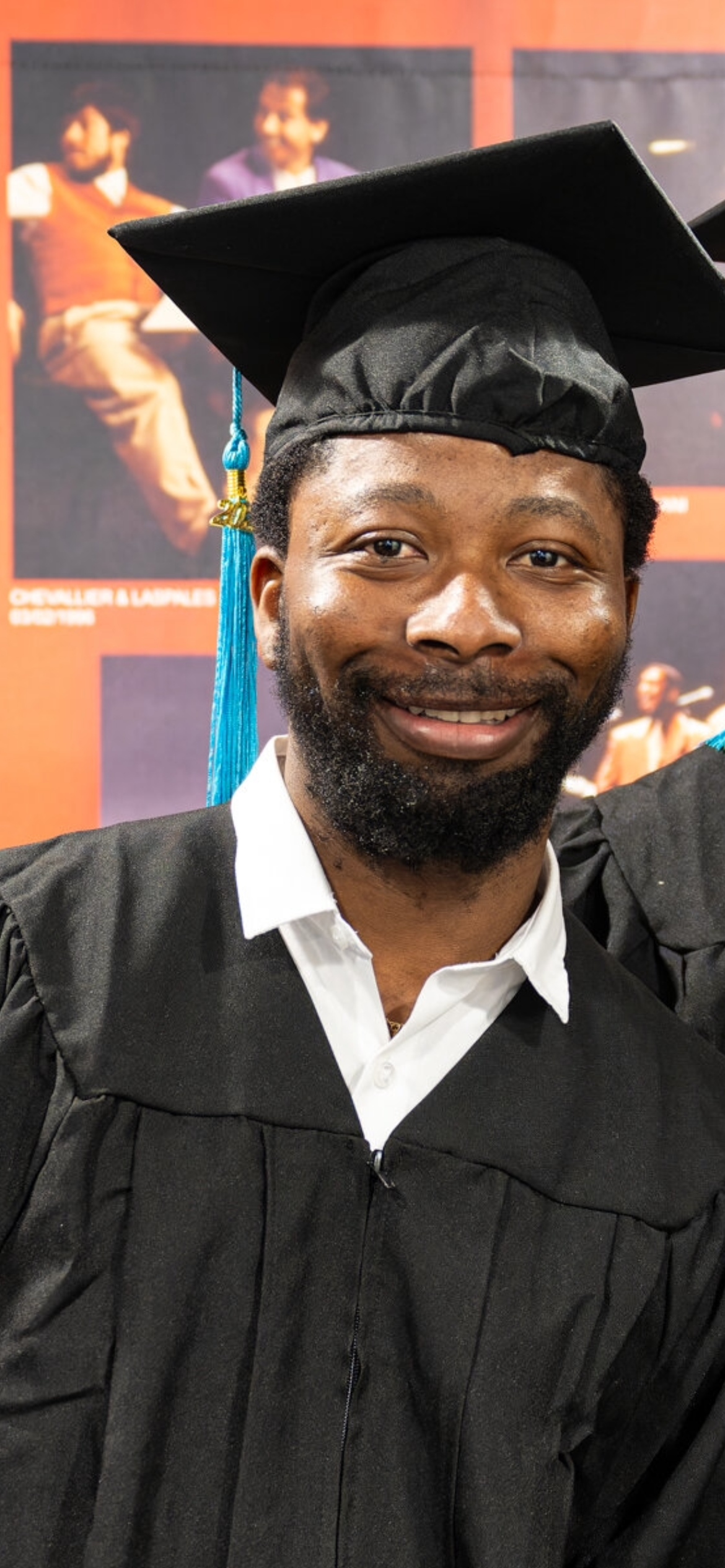
Akandé Eyitayo
IBGC, CNRS, Bordeaux University
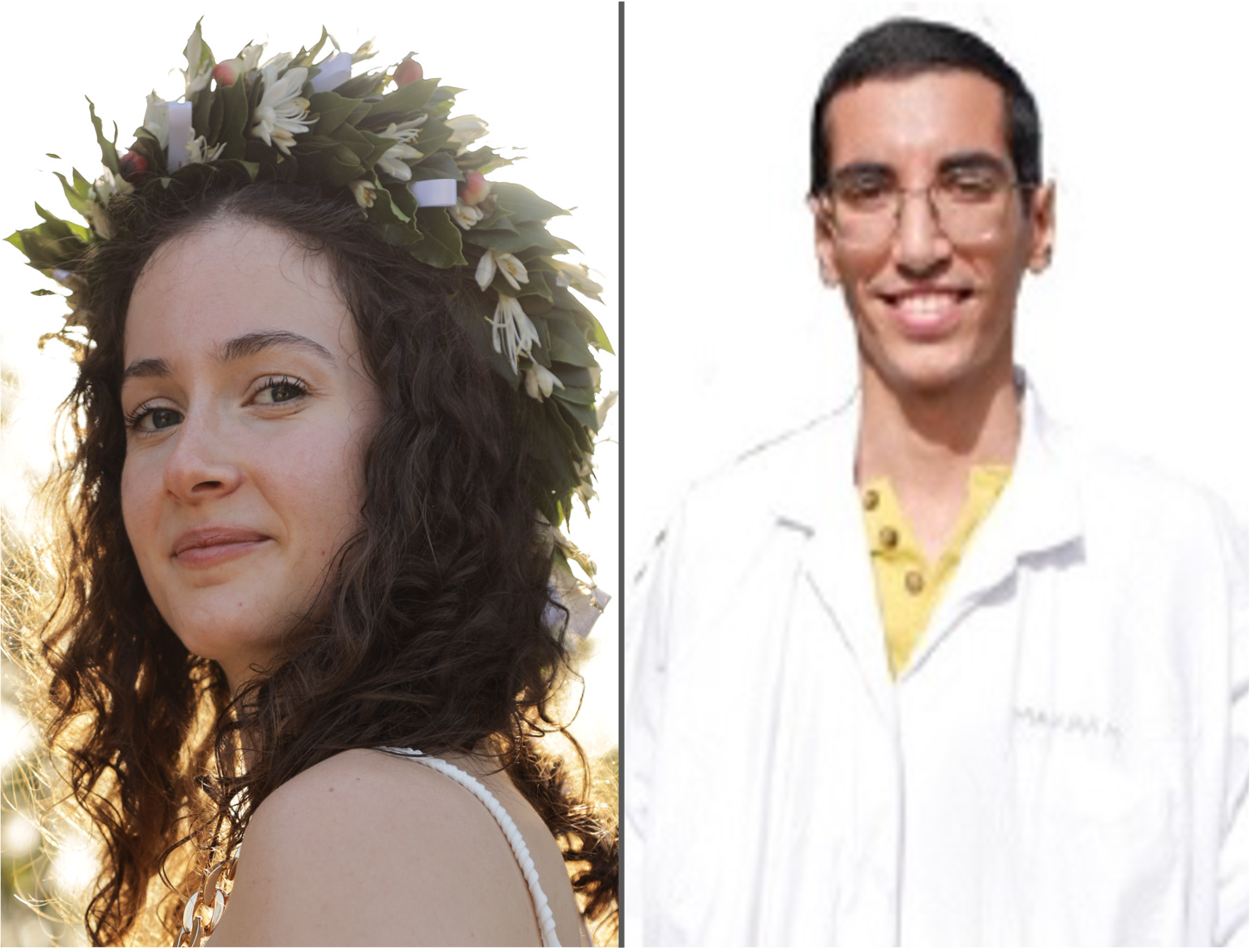
Veronica Nuccetteli et Makram Mghezzi
Biology et Cell Modelisation Lab., ENS, Lyon and IBCP, Lyon
Alexia Godet
Université d’Aarthus, Danemark
Robine Maffo Woulefack
Sciences and Technologies Faculty,Vandoeuvre-les-Nancy

Zhao Jiangfeng
EMBL, Grenoble
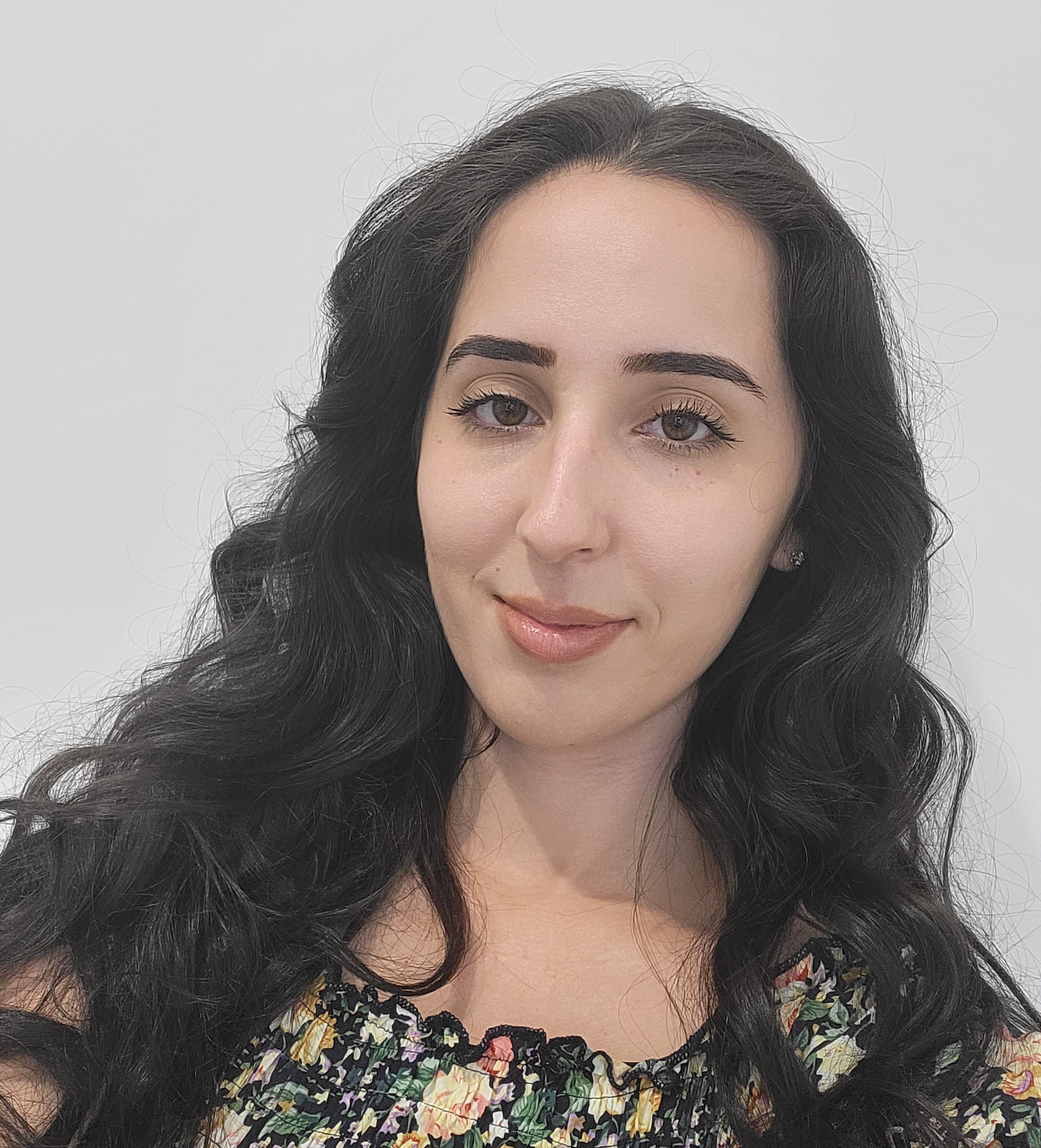
Mélisse Hamidi
Institute of Molecular Microbiology and Structural Biochemistry, Lyon
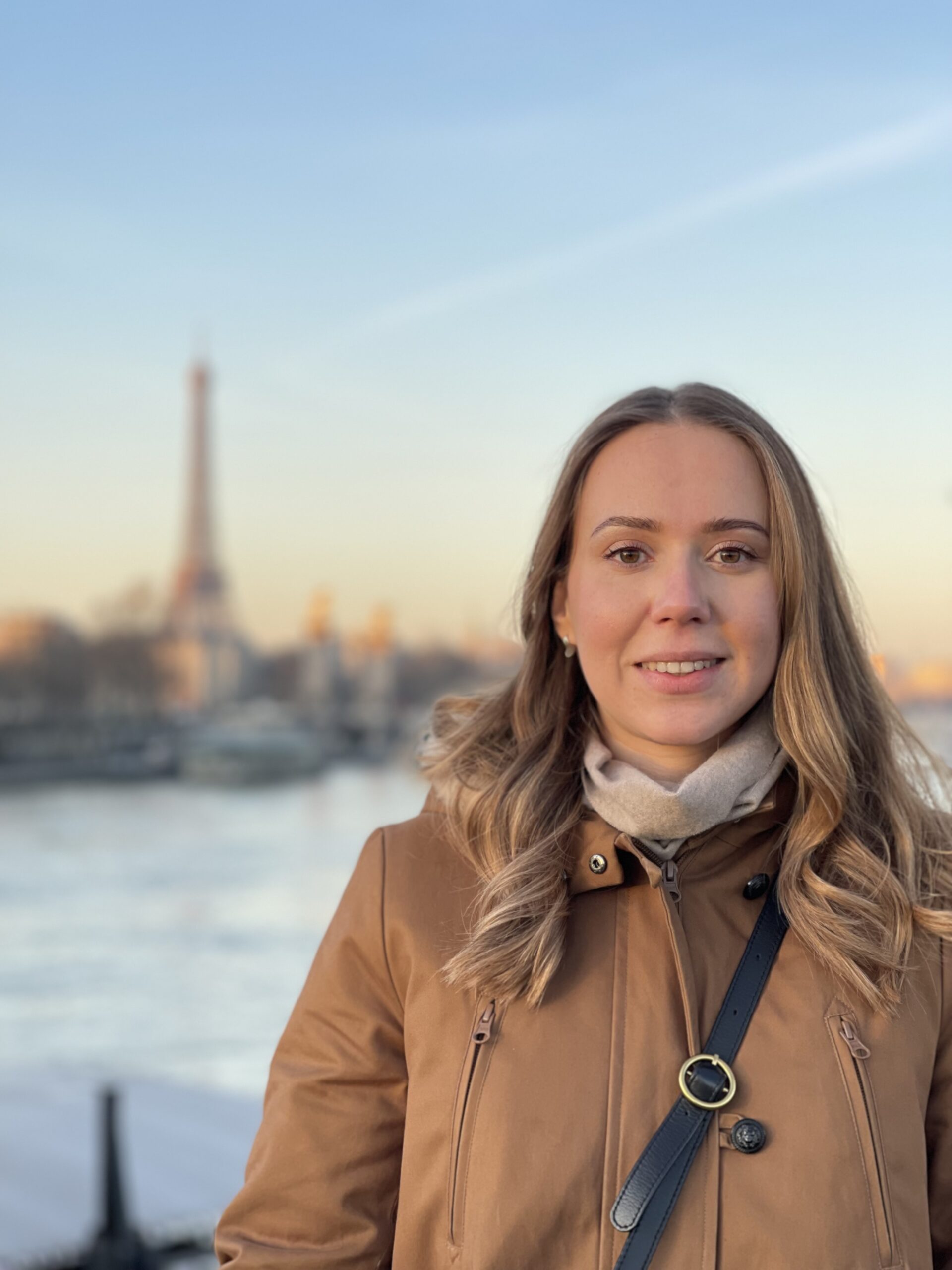
Olga Kolosova
IGBMC, Strasbourg
Léa Prochasson and Makram Mghezzi-Habellah
Curie Institute and Sorbonne University, Paris
“Article of the month”award December 2025

Nour Ayoub
Institut Pasteur Paris, UPCité and INSERM UMRS-1124, Paris
“Article of the Month” award January 2025
Markel Martinez-Carranza
Pasteur Institute, Paris
“Article of the Month” award February 2025
“Article of the Year” award 2025
Maëliss Germain
Rennes University, BRM Lab. (Bacterial RNAs in Medicine)
“Article of the Month” November 2025
Akandé Eyitayo
IBGC, CNRS, Bordeaux University
“Article of the month” March 2025
Veronica Nuccetteli et Makram Mghezzi
Biology et Cell Modelisation Lab., ENS, Lyon and IBCP, Lyon
“Article of the Month” award April 2025
Alexia Godet
Université d’Aarthus, Danemark
“Article of the month” May 2025
Robine Maffo Woulefack
Sciences and Technologies Faculty,Vandoeuvre-les-Nancy
“Article of the Month” award June 2025
Zhao Jiangfeng
EMBL, Grenoble
“Article of the Month” award July and August 2025
Mélisse Hamidi
Institute of Molecular Microbiology and Structural Biochemistry, Lyon
“Article of the Month” award September 2025
Olga Kolosova
IGBMC, Strasbourg
“Article of the Month” award October 2025
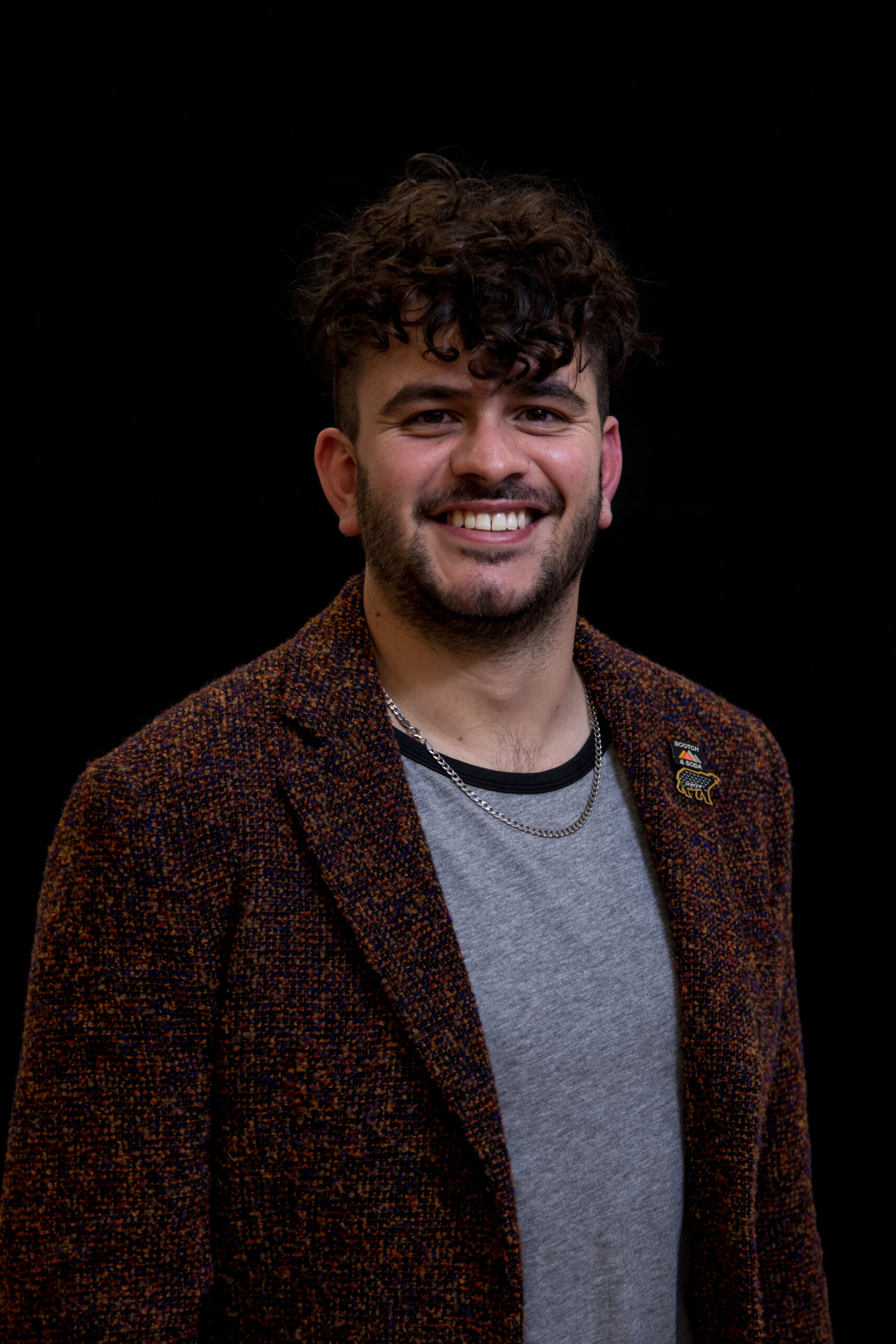
Mickaël Guérin
CNRS, UMR7025, Enzymatic and Cellular Engineering

Thomas Eychenne
CEA, Saclay
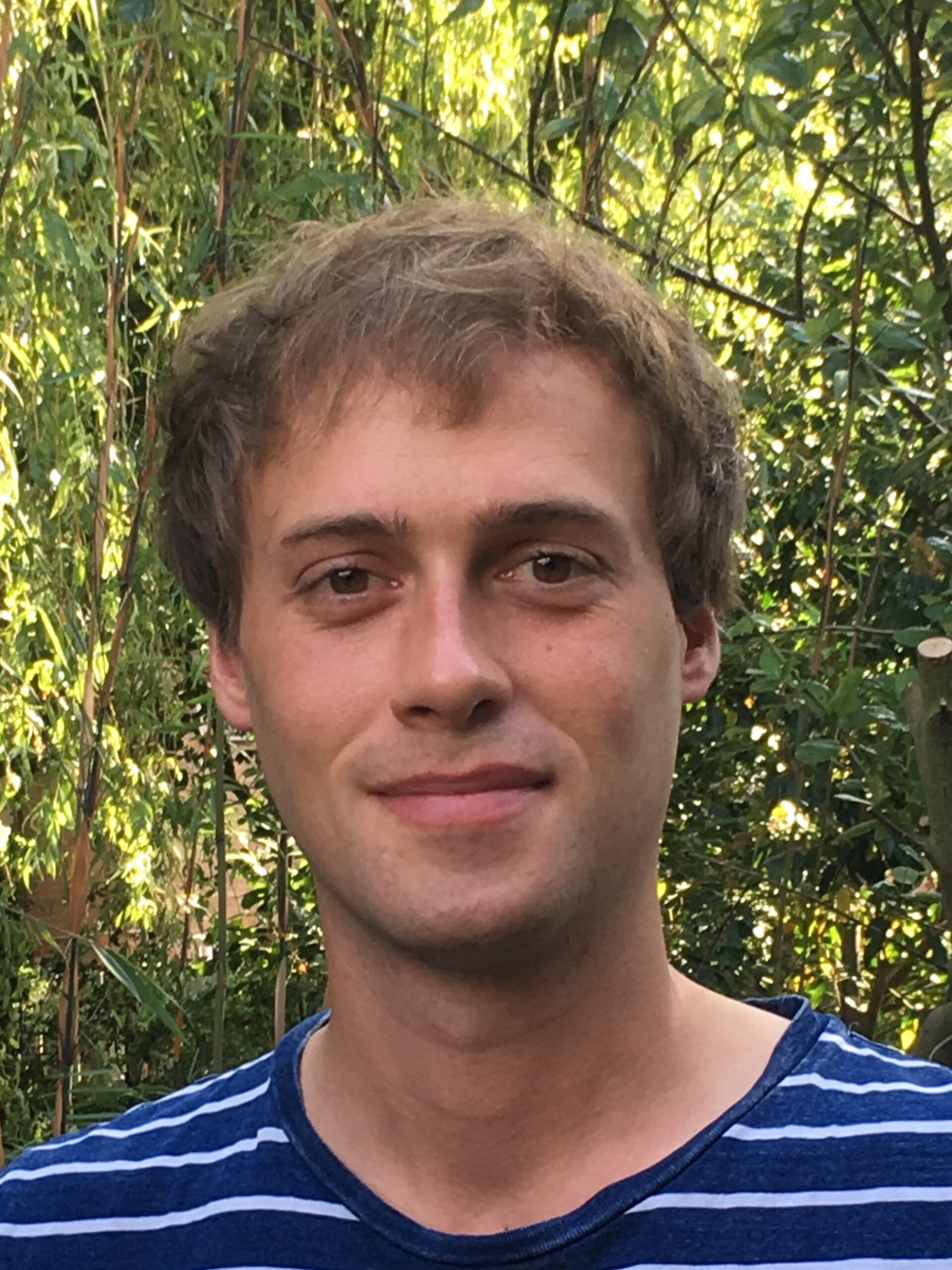
Clément Charenton
École Polytechnique, Palaiseau
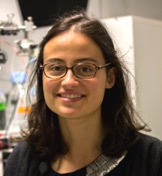
Juliette Fédry
Institut Pasteur, Paris

Florent Waltz
Université de Strasbourg

Yoann Santin
Institut de Duve, Bruxelles
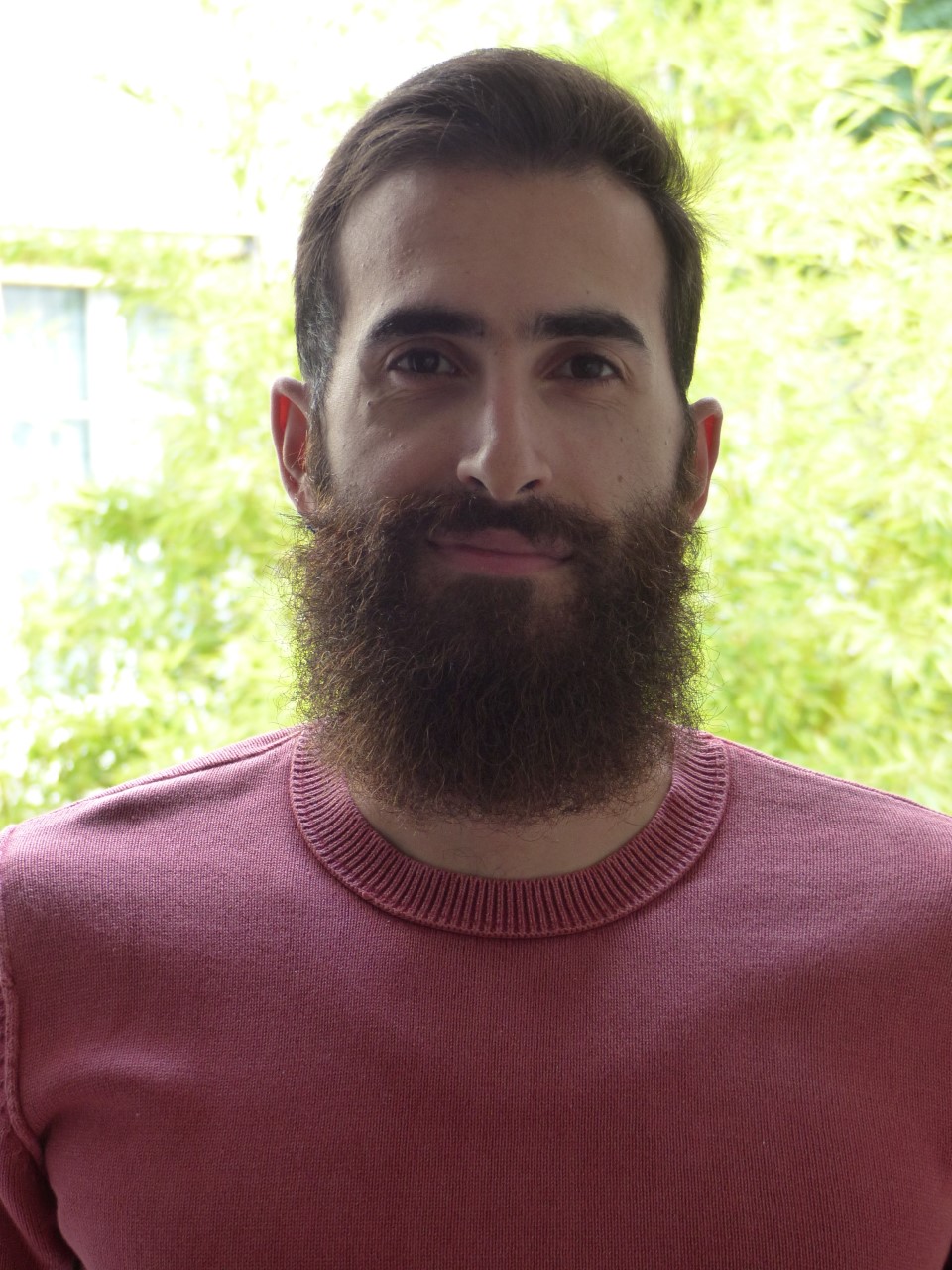
Charbel Alfeghali
Laboratoire d’Ingénierie Moléculaire et Physiopathologie Articulaire (IMoPA), Nancy

Pauline Herviou
Institut Beatson, Glasgow

Aria Gheeraeart
INSERM, Paris
Mickaël Guérin
CNRS, UMR7025, Enzymatic and Cellular Engineering
Dina Surdin award 2025
Thomas Eychenne
CEA, Saclay
Dina Surdin award 2017
Clément Charenton
École Polytechnique, Palaiseau
Dina Surdin award 2018
Juliette Fédry
Institut Pasteur, Paris
Dina Surdin award 2019
Florent Waltz
Université de Strasbourg
Dina Surdin award 2020
Yoann Santin
Institut de Duve, Bruxelles
Dina Surdin award 2021
Charbel Alfeghali
Laboratoire d’Ingénierie Moléculaire et Physiopathologie Articulaire (IMoPA), Nancy
Dina Surdin award 2022
Pauline Herviou
Institut Beatson, Glasgow
Dina Surdin award 2023
Aria Gheeraeart
INSERM, Paris
Dina Surdin award 2024
Apply for the Dina Surdin Award
Applications must be submitted in March. The exact deadline is announced each year by email.
Documents to be submitted:
Downloadable application guidelines document below, a copy of the thesis manuscript.
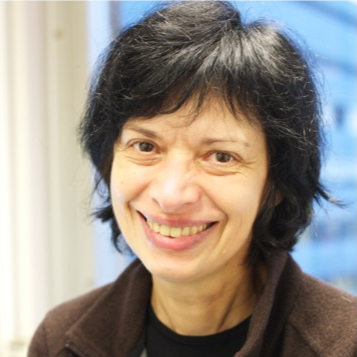
Pascale Romby
CNRS, UPR 9002, ARN “RNA Architecture and Reactivity”, IBMC, Strasbourg
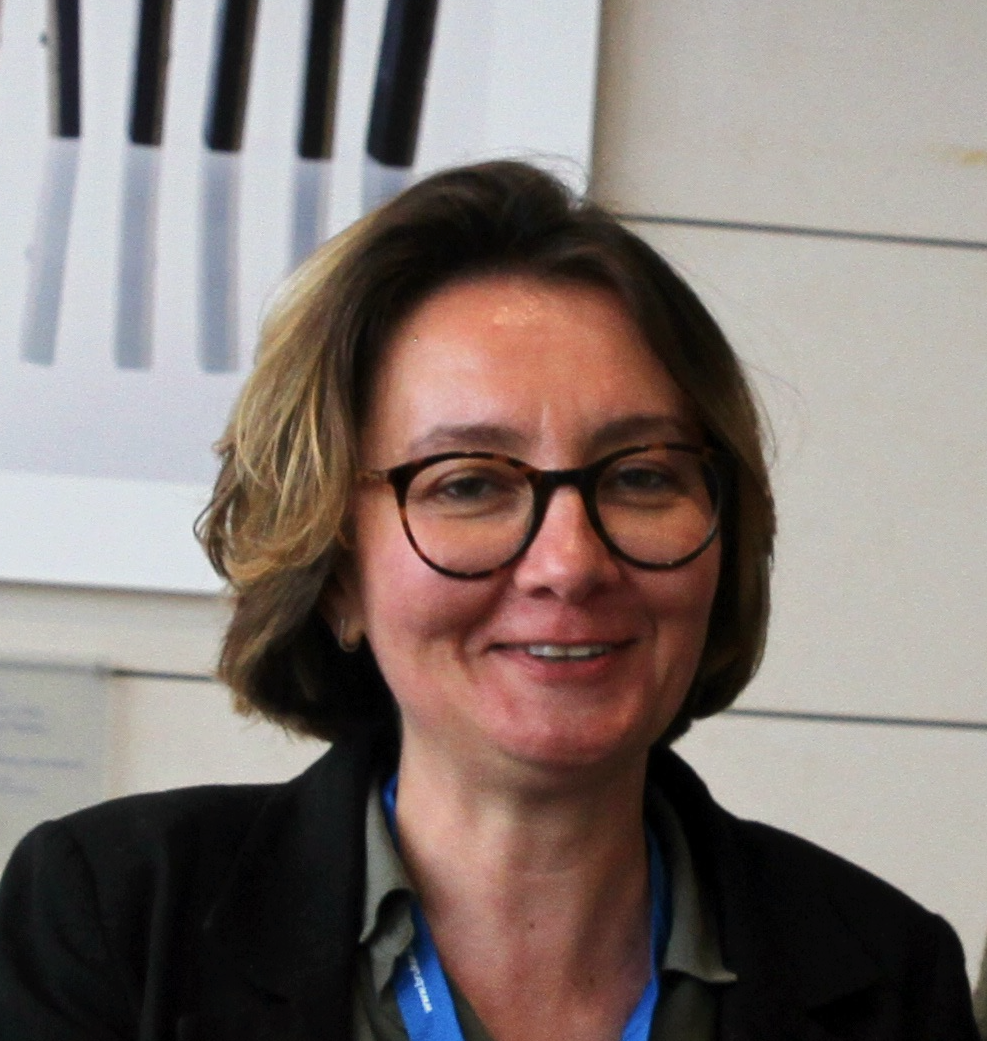
Carine Tisné
IBPC, Paris
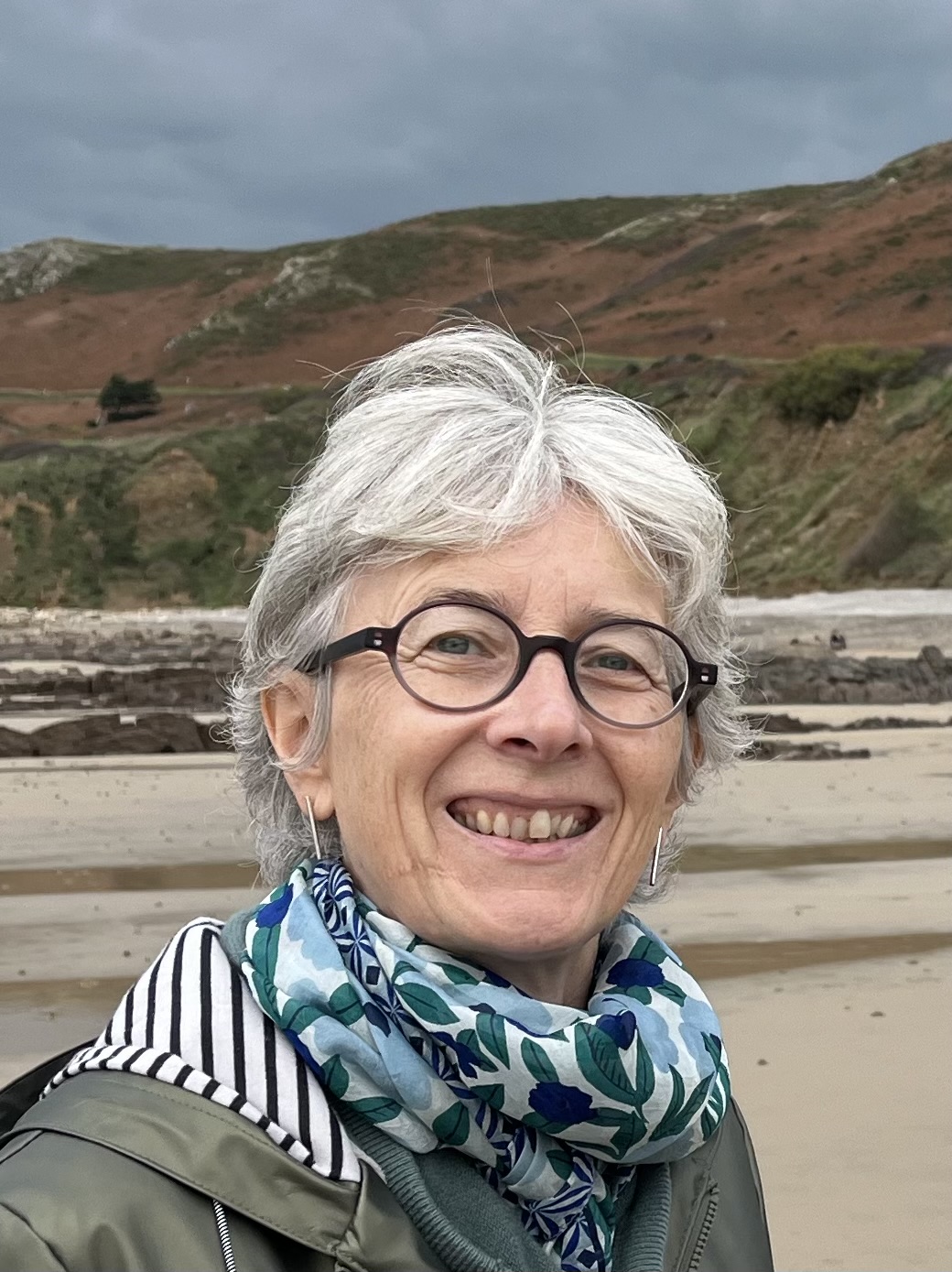
Pascale Lesage
CNRS et équipe de Biologie de l’instabilité des génomes, Paris
Pascale Romby
CNRS, UPR 9002, ARN “RNA Architecture and Reactivity”, IBMC, Strasbourg
Marianne Grunberg-Manago award 2025
Carine Tisné
IBPC, Paris
Marianne Grunberg-Manago award 2023
Pascale Lesage
CNRS et équipe de Biologie de l’instabilité des génomes, Paris
Marianne Grunberg-Manago award 2024
Apply for the Marianne Grunberg-Manago Award
Applications must be submitted by email to martin.picard@ibpc.fr. The exact deadline will be announced annually via email.
Required Documents:
Updated CV, including a summary of the candidate’s work and publications, formatted according to the downloadable guide below.
Any application received after the specified deadline will not be considered.
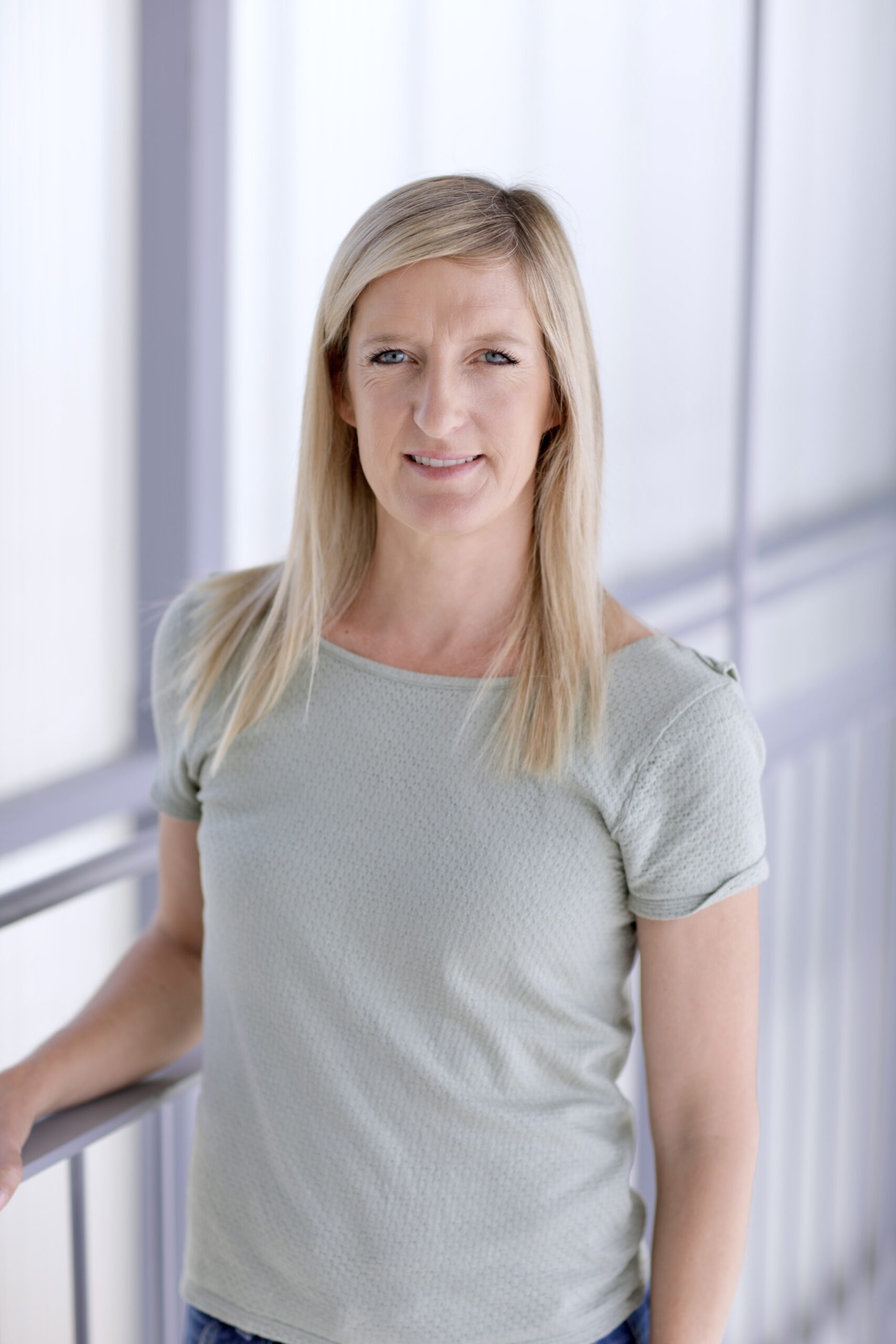
Laure-Emmanuelle Zaragosi
Inserm, IPMC, Sophia-Antipolis

Maxime Wery
Institut Curie, Paris
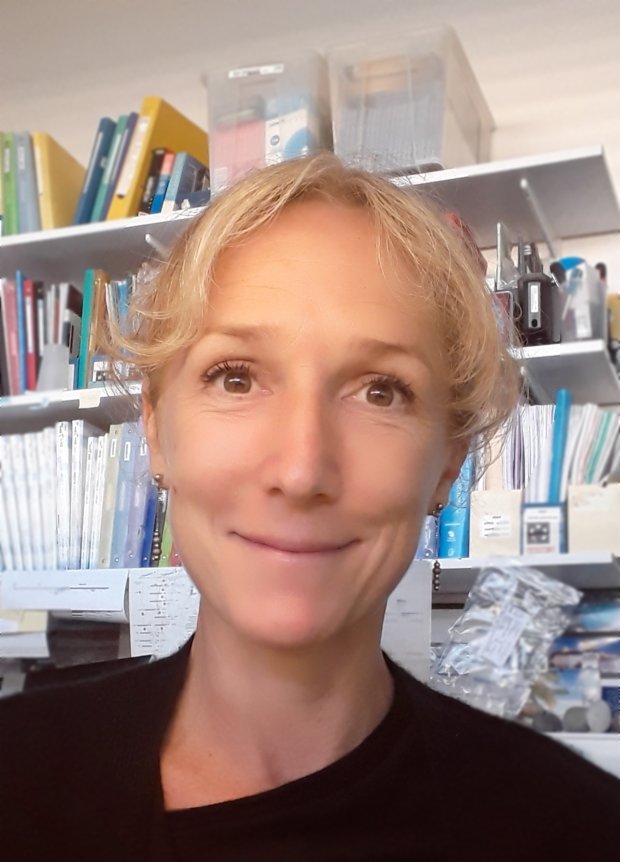
Célia Plisson-Chastang
CNRS, UMR 5099, Toulouse

Tamara Basta-Le-Berre
CNRS, UMR9198, Institut de Biologie Intégrative de la Cellule (I2BC), Gif-sur-Yvette
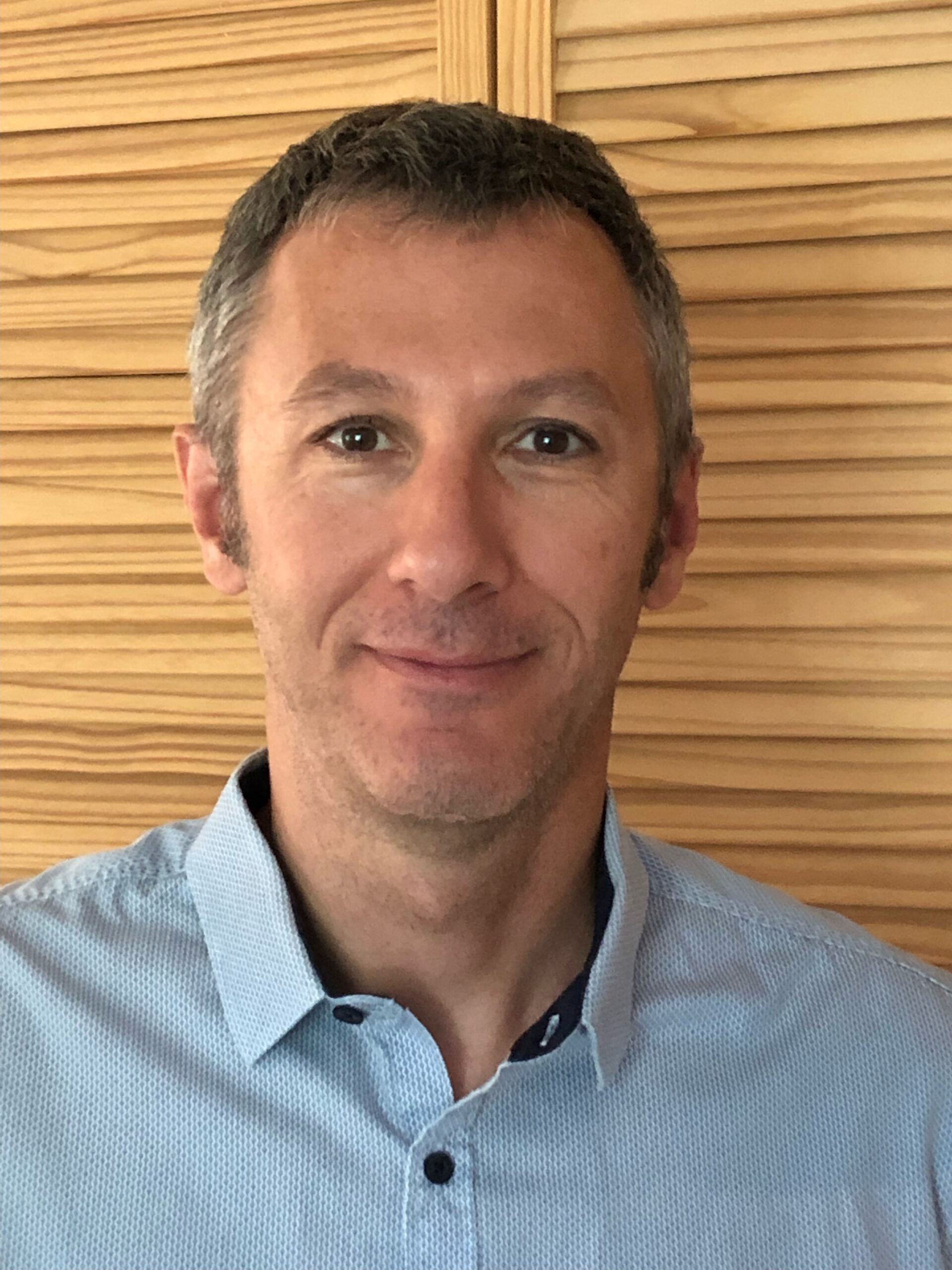
Ludovic Pelosi
Laboratoire UGA (Groupe Quinones Respiratoires), Grenoble
Cyril Bourgeois
ENS, Lyon
Odil Porrua
CNRS, UMR7592 (Institut Jacques Monod), Paris
Hervé Seitz
CNRS, UMR 9002 (Institut de génétique humaine), Montpellier

Michaël Ryckelynck
Biologie Digitale de l’ARN, UPR 9002, Architecture et réactivité de l’ARN, IBMC, Strasbourg.
Martin PICARD
CNRS UMR 7099, Laboratoire de Biologie Physico-chimique des protéines membranaires, IBPC
Laure-Emmanuelle Zaragosi
Inserm, IPMC, Sophia-Antipolis
Maurice Nicloux Award 2025
Maxime Wery
Institut Curie, Paris
Maurice Nicloux award 2024
Célia Plisson-Chastang
CNRS, UMR 5099, Toulouse
Maurice Nicloux award 2020
Tamara Basta-Le-Berre
CNRS, UMR9198, Institut de Biologie Intégrative de la Cellule (I2BC), Gif-sur-Yvette
Maurice Nicloux award 2023
Ludovic Pelosi
Laboratoire UGA (Groupe Quinones Respiratoires), Grenoble
Maurice Nicloux award 2022
Cyril Bourgeois
ENS, Lyon
Maurice Nicloux award 2021
Odil Porrua
CNRS, UMR7592 (Institut Jacques Monod), Paris
Maurice Nicloux award 2019
Hervé Seitz
CNRS, UMR 9002 (Institut de génétique humaine), Montpellier
Maurice Nicloux award 2018
Michaël Ryckelynck
Biologie Digitale de l’ARN, UPR 9002, Architecture et réactivité de l’ARN, IBMC, Strasbourg.
Maurice Nicloux award 2017
Martin PICARD
CNRS UMR 7099, Laboratoire de Biologie Physico-chimique des protéines membranaires, IBPC
Maurice Nicloux award 2016
Apply for the Maurice Nicloux Award
Applications must be submitted by March of each year. The exact deadline will be announced annually via email.
Required Documents:
Updated CV, including a summary of the candidate’s work and publications, formatted according to the downloadable guide below.
Any application received after the specified deadline will not be considered.
Our scientific awards
“Article of the Month” award
Honors a young researcher for a paper published in a peer-reviewed journal.
Dina Surdin award
Rewards a young researcher for an outstanding PhD thesis in biochemistry or molecular biology.

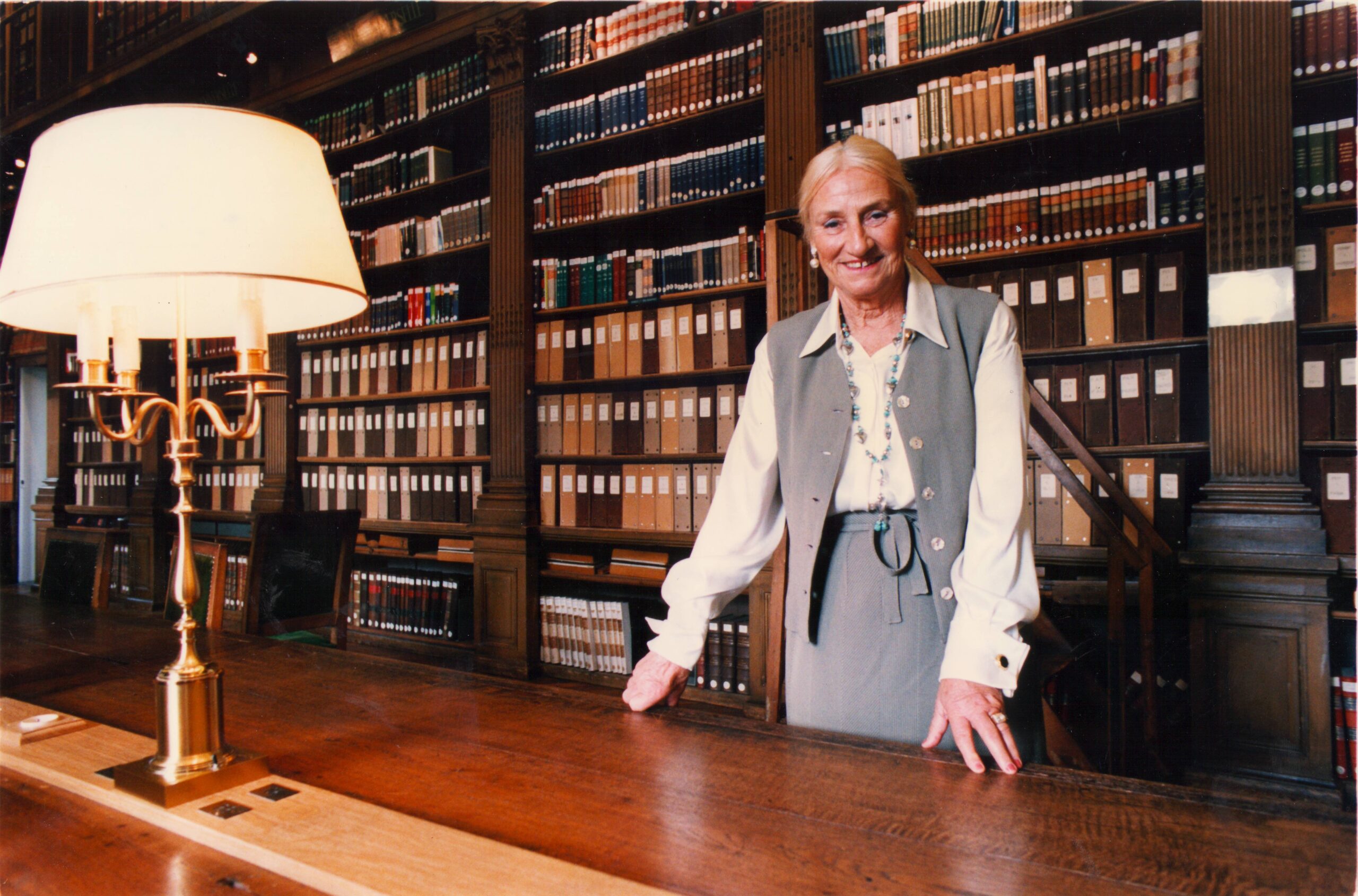
Marianne Grunberg-Manago Award
Honors a woman who has made an outstanding contribution to public research, recognized for the significance of her work and her impact in her scientific field.
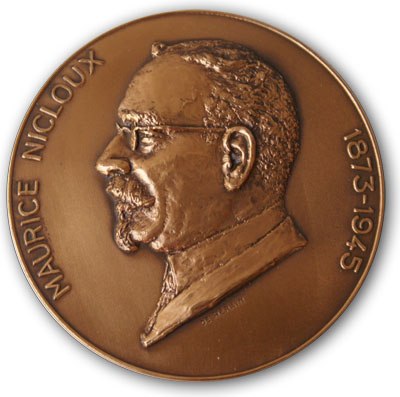
Maurice Nicloux award
Honors an established researcher for their overall contribution to the scientific community and to research in biochemistry or molecular biology.