GT Archaea
Our community focuses on understanding the fundamental molecular mechanisms present in these microorganisms, the diversity of their viruses, and the adaptive limits of life in extreme environments.
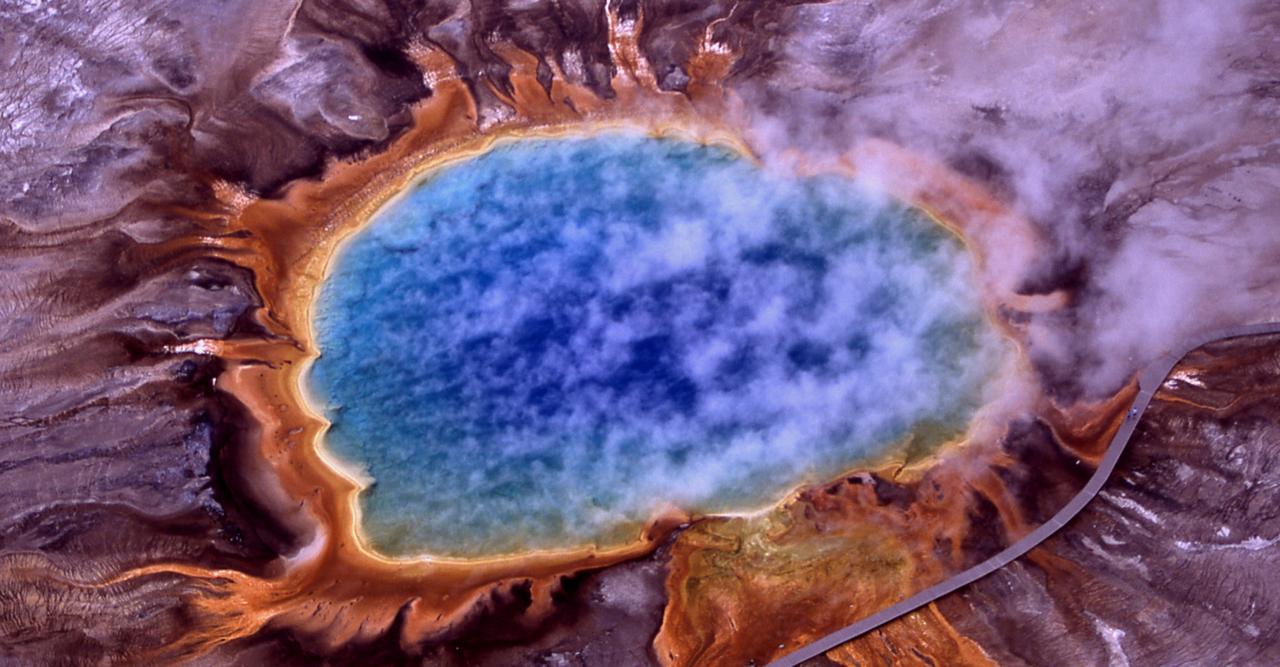
Understanding Archaea to better decode life
Unique microorganisms, multiple fields of study
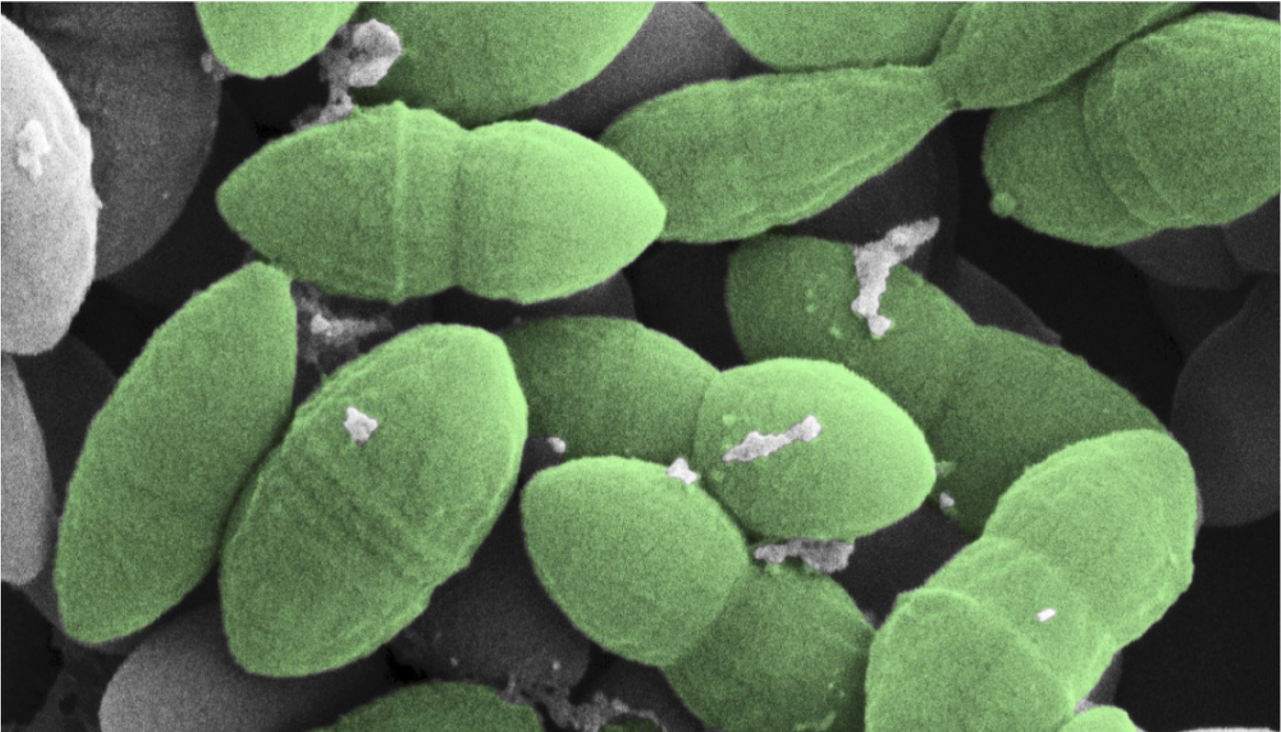
The “Archaea” thematic group was created in 2011 at the initiative of Patrick Forterre and Bruno Franzetti, with the aim of bringing together biochemists and molecular biologists from the French scientific community to exchange and discuss key topics related to the importance and role of Archaea—the third domain of life—in ecosystems, evolution, and the fundamental processes of life.
Archaea are microorganisms distinct from eukaryotes and bacteria, forming a domain of life in their own right. Their study challenges traditional evolutionary relationships among the three domains of life and provides new scenarios for the emergence of cellular life on Earth. The omnipresence of Archaea on Earth, their diversity, and their unique molecular features continue to intrigue the scientific community. Studied from every angle—by biochemists, microbiologists, evolutionary biologists, and molecular biologists—and increasingly valued by industry, Archaea have become essential model organisms for understanding life.
Scientific interests
The place of Archaea in evolution
The role of Archaea in soil and ocean microbial communities, and in the human microbiota
Molecular mechanisms underlying the extraordinary adaptive capabilities of Archaea
Harnessing the biodiversity and unique properties of Archaea to discover new molecules for biotechnological applications
Understanding fundamental cellular mechanisms using archaeal model organisms
Missions of the Archaea Thematic Group

Strengthen and foster
the Archaea community within the SFBBM

Organize
scientific activities, including annual meetings and seminars

Promote
collaborations and cooperation among teams within the Archaea Thematic Group

Conduct
outreach activities for the general public
Who leads the group?
A team committed to serving the scientific community.
Tamara Basta-Le Berre
I2BC- Gif sur Yvette
Béatrice Clouet-D’Orval , Présidente
beatrice.clouet-dOrval@univ-tlse3.fr
CBI-Toulouse
Didier Flament
Ifremer, Brest
Adrienne Kish
Muséum National d’Histoire Naturelle, Paris
Roxane Lestini
Ecole Polytechnique, Palaiseau
Hannu Myllykallio
Ecole Polytechnique, Palaiseau
Ludovic Sauguet
Institut Pasteur, Paris
Emmanuelle Schmitt, Vice-présidente
emmanuelle.schmitt@polytechnique.edu
Ecole Polytechnique, Palaiseau
Join the GT Archaea
The thematic groups are open to SFBBM members who are motivated by scientific exchange.
The SFBBM thematic groups
Spaces for exchange and collaboration among researchers to advance research in biochemistry and molecular biology.






Stay informed!
Receive our news, publications, and events directly by email.